Why You Should Test Your GFCI Outlets Every Month
Learn why and how to test your GFCI outlets every month. Simple steps to ensure your home’s electrical safety and prevent dangerous shocks.
Project Snapshot
- Category: Electrical
- Estimated time: 5 minutes
- Estimated cost: Free
- Reading time: 4 min
Guide
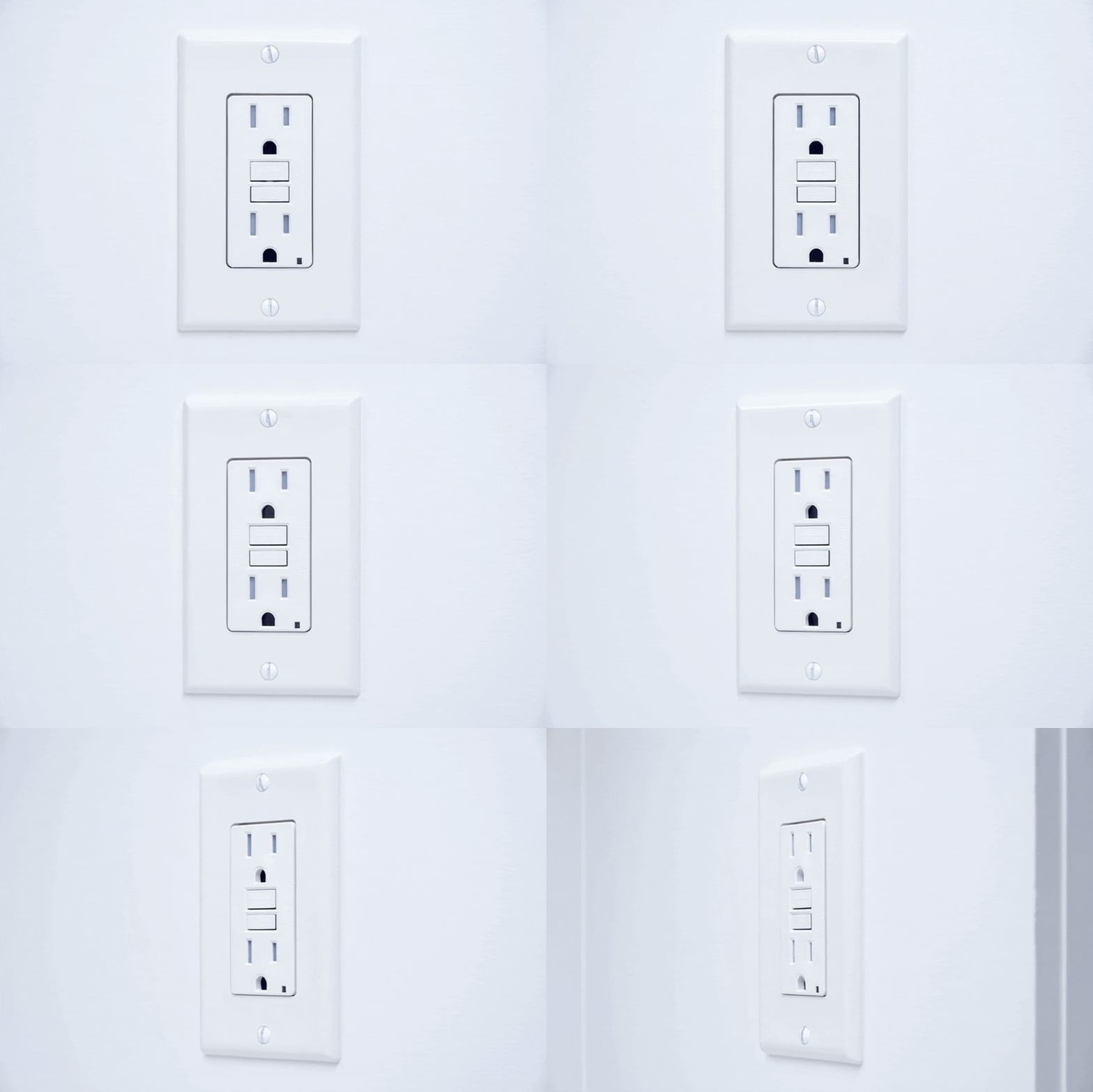
Ground Fault Circuit Interrupter (GFCI) outlets are a small but critical safety feature in your home. They're designed to shut off power in milliseconds if they detect an imbalance in the electrical current—something that can happen if electricity is flowing through water or through you. This quick action helps prevent electric shocks and reduces the risk of electrocution.
Because GFCIs are mechanical devices with sensitive electronics, they can wear out or fail without warning. That's why testing them once a month is an important habit.
How to Test a GFCI Outlet
-
Locate the outlet's TEST and RESET buttons
Most GFCI outlets have two small buttons in the middle—one labeled TEST (usually black) and one labeled RESET (usually red).
-
Press the TEST button
When you press TEST, you should hear a click, and any device plugged into the outlet should turn off. This means the GFCI has tripped and is working properly.
-
Press the RESET button
This restores power to the outlet. Plug your device back in and ensure it turns on again.
-
If the outlet doesn't trip or reset
The GFCI is likely faulty. Stop using it immediately and have it replaced by a qualified electrician.
Where to Test
- Kitchens
- Bathrooms
- Garages
- Laundry rooms
- Outdoor outlets
Why Monthly Testing Matters
- Safety – Verifies that the outlet can quickly shut off power in a dangerous situation.
- Compliance – Some building codes and home inspections require functional GFCIs.
- Peace of Mind – A quick test can prevent an avoidable accident.
Step-by-Step Plan
-
Locate the TEST and RESET buttons
Find the two small buttons in the middle of your GFCI outlet - one labeled TEST (usually black) and one labeled RESET (usually red).
- Most GFCI outlets are found in kitchens, bathrooms, garages, and outdoor areas
-
Press the TEST button
When you press TEST, you should hear a click, and any device plugged into the outlet should turn off. This means the GFCI has tripped and is working properly.
- If nothing happens when you press TEST, the GFCI may be faulty
-
Press the RESET button
This restores power to the outlet. Plug your device back in and ensure it turns on again.
- The outlet should return to normal operation after pressing RESET
-
Check for proper function
Verify that the outlet works normally after the test. If it doesn't trip or reset properly, have it replaced by a qualified electrician.
- Test monthly to ensure continued protection
- Mark your calendar as a reminder
Tools Needed
- None required
Materials Needed
- GFCI outlet (existing)
Safety Notes
- Never test GFCI outlets with wet hands
- If an outlet doesn't work properly after testing, stop using it immediately
- Have faulty GFCIs replaced by a qualified electrician
- GFCIs protect against electrocution - proper function is critical for safety
Topics
- Electrical
- Safety
- Maintenance
- GFCI
- Outlets
- Testing
Turn This Into a Plan
ChatDIY can adapt this guide to your measurements, materials, tools, and timeline.